Herding group · Medium · from United States
Australian Shepherd
Also called: Aussie
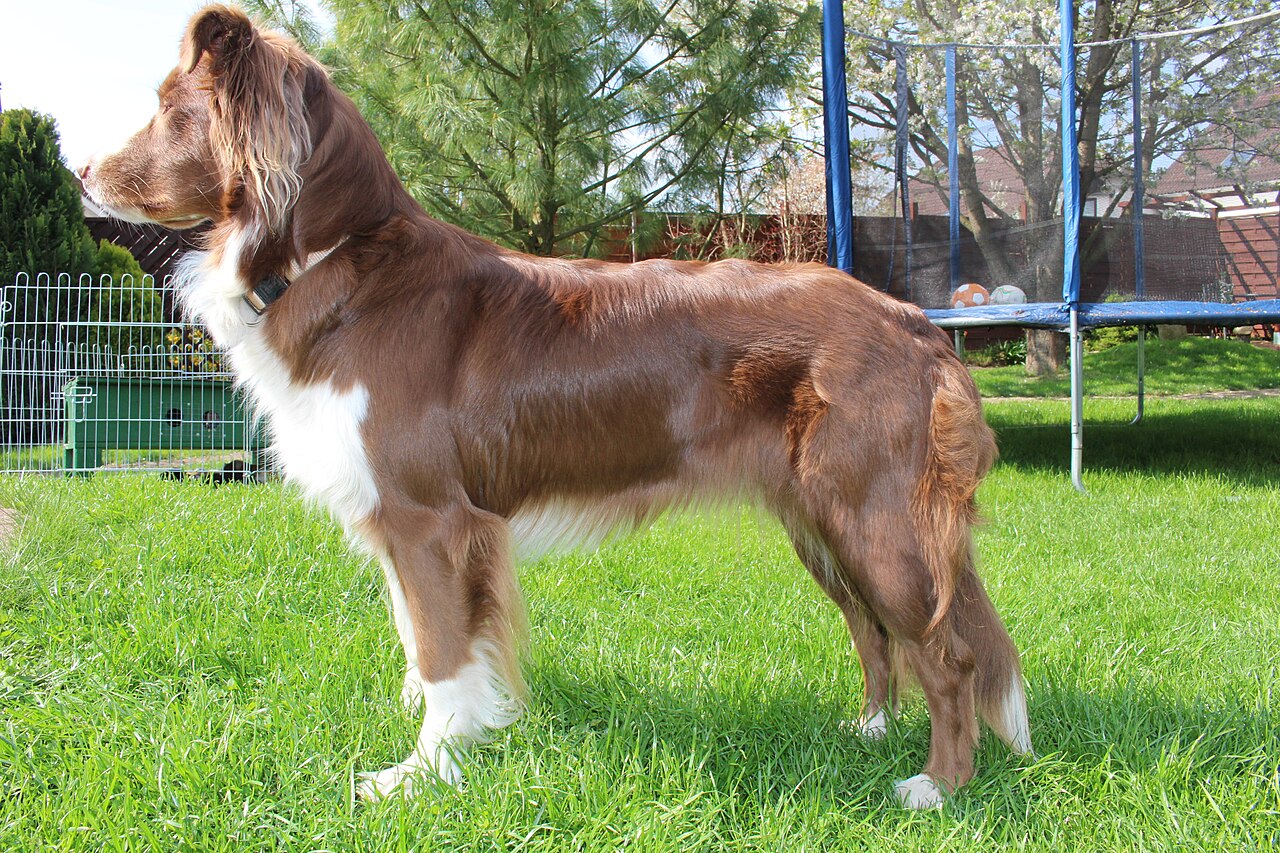

Despite the name, the Australian Shepherd is an American ranch dog through and through — a flashy, brainy herder that became the darling of hikers, van-lifers, and disc-dog fields. The honest headline: a spectacular dog for active people who train, and a barky, neurotic handful for people who bought the pretty merle coat on Instagram.
Height
18-23 in
Weight
40-65 lbs
Lifespan
12-15 years
Coat
Medium-length double coat, often merle
Exercise
100+ min/day
Puppy price
$800-$2,500
AKC popularity
#12
Best for
Active owners who want a brilliant, devoted adventure dog and can supply daily exercise, training, and tolerance for a furry personal bodyguard's opinions.
Trait scores
Scored 1–5 from breed-club and kennel-club standards. Individual dogs vary; a lazy Malinois exists somewhere.
Living with a Australian Shepherd
Summarized from public owner discussions — breed subreddits, owner forums, and long-term owner write-ups.
What owners like
- +Brilliant and eager to work with you — picks up tricks, sports, and chores almost as fast as a Border Collie
- +Devoted 'your dog' loyalty — an Aussie picks its people and commits completely
- +Outstanding hiking, running, and camping companion with all-day stamina
- +Great with their family's kids when exercised, and generally sociable with familiar dogs
Common complaints
- −Wary of strangers by design — expect barking at guests and a dog that needs deliberate, ongoing socialization
- −Herding nips at kids, heels, and bike tires are standard factory settings that take real training to redirect
- −The double coat sheds seriously year-round and mats behind the ears without weekly brushing
- −MDR1 gene mutation is common — an affected Aussie can react badly to ivermectin and other routine drugs, so testing matters
- −Merle-to-merle breeding by careless breeders produces deaf/blind double-merle puppies — vet your breeder hard
Conditions the breed is prone to
Not a diagnosis list — these are the problems that show up often enough that responsible breeders screen for them. Ask to see the test results.
The Australian Shepherd against its usual rivals
What people ask about the Australian Shepherd
Australian Shepherd vs Border Collie — what's the real difference?+
Both are brilliant herders, but the Aussie is generally a notch less intense, more of a bodyguard, and more forgiving of ordinary pet life. BCs run on motion-sensitivity and precision; Aussies run on loyalty and enthusiasm, with more stranger-wariness and guardy barking. For an active family that trains casually, the Aussie is usually the safer pick; for serious sports, the BC has the higher ceiling.
What is MDR1 and why do Aussie people keep mentioning it?+
MDR1 is a gene mutation, common in Aussies and other collie-type breeds, that lets certain everyday drugs (ivermectin, loperamide, some sedatives and chemo agents) build to toxic levels in the brain. A cheap DNA test tells you your dog's status, and your vet adjusts medications accordingly. Good breeders test their lines; you should test if yours didn't.
Do Australian Shepherds bark a lot?+
More than most people expect. They're watchful by design, so doorbells, delivery trucks, and weird noises all get announced, and bored Aussies add demand-barking on top. Exercise, mental work, and training a solid 'quiet' cue keep it manageable, but if you want a silent dog or share thin apartment walls, this is the wrong breed.
Can a first-time owner handle an Aussie?+
A committed one, yes — it's a stretch assignment rather than a suicide mission. The keys are choosing a moderate (not working-line) breeder, signing up for training classes before you need them, and honestly delivering 90+ minutes of daily activity. First-timers who wanted a pretty, medium-effort family dog consistently end up overwhelmed by 8 months in.