Hybrid group · Large · from United States
Goldendoodle
Also called: Groodle, Golden Doodle
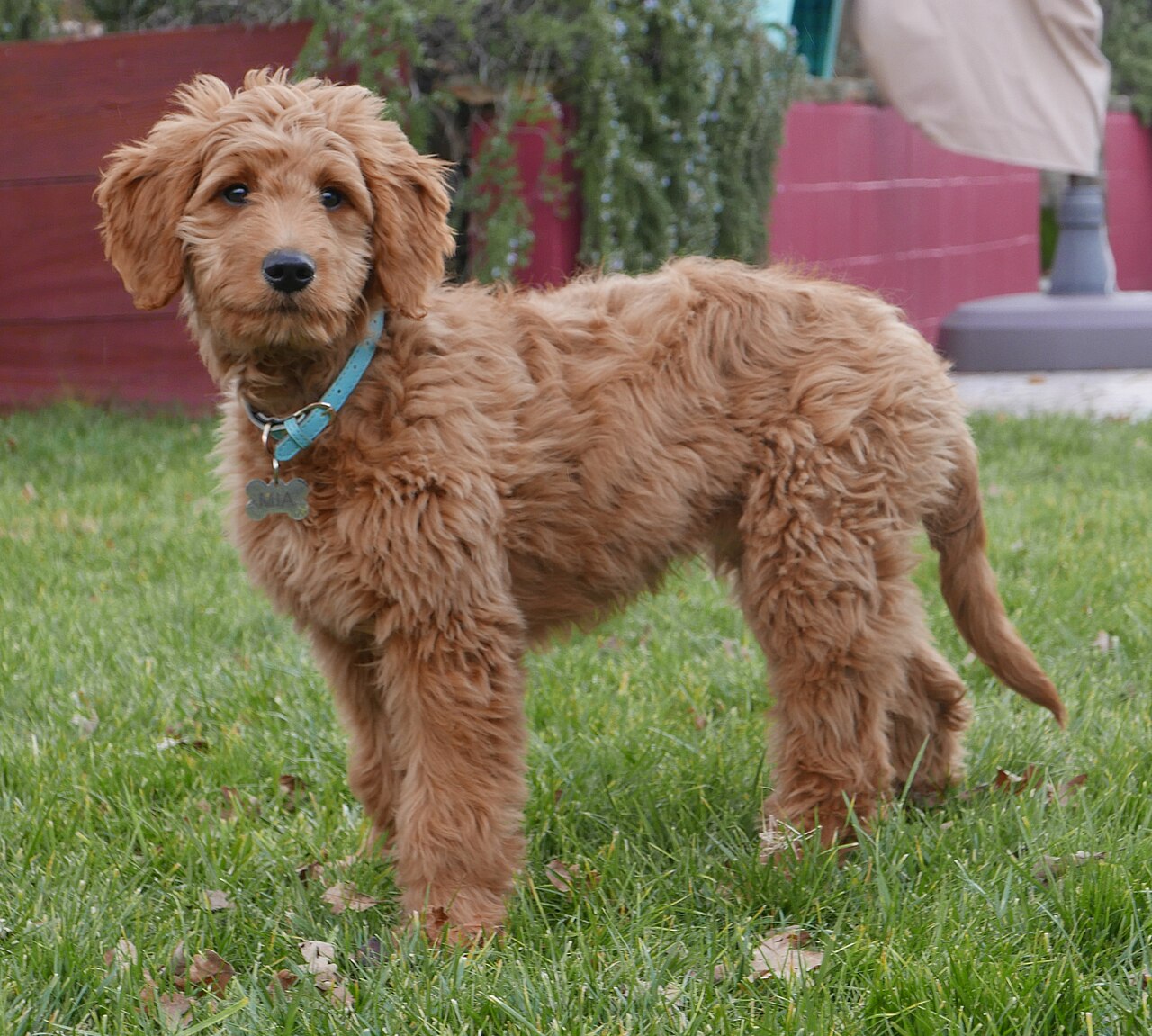

The Goldendoodle is a Golden Retriever x Poodle cross that became America's default suburban family dog on the promise of Golden sweetness without the fur. The honest headline: when it works, it really works — but this is a crossbreed, not a breed, so coat, size, and shedding are a genuine lottery ticket, and the grooming bill is higher than either parent's.
Height
20-24 in
Weight
50-75 lbs
Lifespan
10-15 years
Coat
Wavy to curly, highly variable — from shaggy shedding to Poodle-tight
Exercise
60+ min/day
Puppy price
$2,000-$5,000
AKC popularity
Not AKC ranked
Best for
Sociable, active families who want a friendly teddy-bear companion and understand they're buying a range of possible coats and temperaments, not a guarantee.
Trait scores
Scored 1–5 from breed-club and kennel-club standards. Individual dogs vary; a lazy Malinois exists somewhere.
Living with a Goldendoodle
Summarized from public owner discussions — breed subreddits, owner forums, and long-term owner write-ups.
What owners like
- +The best ones combine Golden friendliness with Poodle brains — happy, huggable dogs that train easily and love everyone
- +Many (not all) shed far less than a Golden, which is life-changing for fur-weary households
- +Genuinely great with kids and social with other dogs — the classic playground and dog-park companion
- +Available in standard, medium, and mini sizes, so there's a version for most living situations
- +Athletic enough for hikes and swims but without the relentless drive of a working breed
Common complaints
- −Coat is a genetic lottery: some Goldendoodles shed plenty, and 'hypoallergenic' is a marketing word, not a guarantee
- −Grooming is heavier than either parent breed — the mixed coat mats ferociously, meaning daily brushing plus a $100+ professional groom every 6-8 weeks
- −The trend attracted puppy mills and casual breeders — health testing is far less consistent than in AKC parent breeds, at prices of $3,000+
- −Bred to be with people, so separation anxiety and demand barking are common complaints
- −No breed standard means adult size, energy, and temperament can miss the estimate by a wide margin — 'mini' doodles hitting 50 lbs is a running joke
Conditions the breed is prone to
Not a diagnosis list — these are the problems that show up often enough that responsible breeders screen for them. Ask to see the test results.
The Goldendoodle against its usual rivals
What people ask about the Goldendoodle
Are Goldendoodles actually hypoallergenic?+
No — and any breeder promising it is waving a red flag. Allergens come from dander and saliva, and even low-shedding doodles produce both; plenty of F1 doodles shed like a modest Golden. An F1b (backcrossed to Poodle) improves the odds of a low-shed coat but still isn't certain. If allergies are severe, a well-bred Poodle is the safer bet.
What's the difference between F1, F1b, and multigen Goldendoodles?+
F1 is a straight Golden x Poodle cross — maximum coat variability, often a shaggy, lightly shedding wave. F1b crosses an F1 back to a Poodle, tilting the odds toward a curlier, lower-shedding coat but also more grooming. Multigen doodles breed doodle to doodle with coat-gene testing, which is the most predictable — if the breeder actually does the testing. Ask to see it.
How much grooming does a Goldendoodle need?+
More than almost anyone expects — this is the #1 regret in doodle-owner threads. The Poodle-Golden coat combination mats aggressively, especially behind ears, armpits, and collar lines, so you need real brushing (slicker plus metal comb, to the skin) several times a week and professional grooms every 6-8 weeks. Skip it and the groomer will have no choice but to shave your teddy bear bald.
Are Goldendoodles good first dogs?+
Often yes — the typical temperament is forgiving, affectionate, and eager to please, which is exactly what novice owners need. The trap is underestimating the grooming and the boisterous adolescence, and overpaying a breeder who does no health testing. Vet the breeder like you would for a purebred: hip scores and eye exams on both parents, or walk away.