Working group · Large · from Japan
Akita
Also called: Akita Inu, Japanese Akita
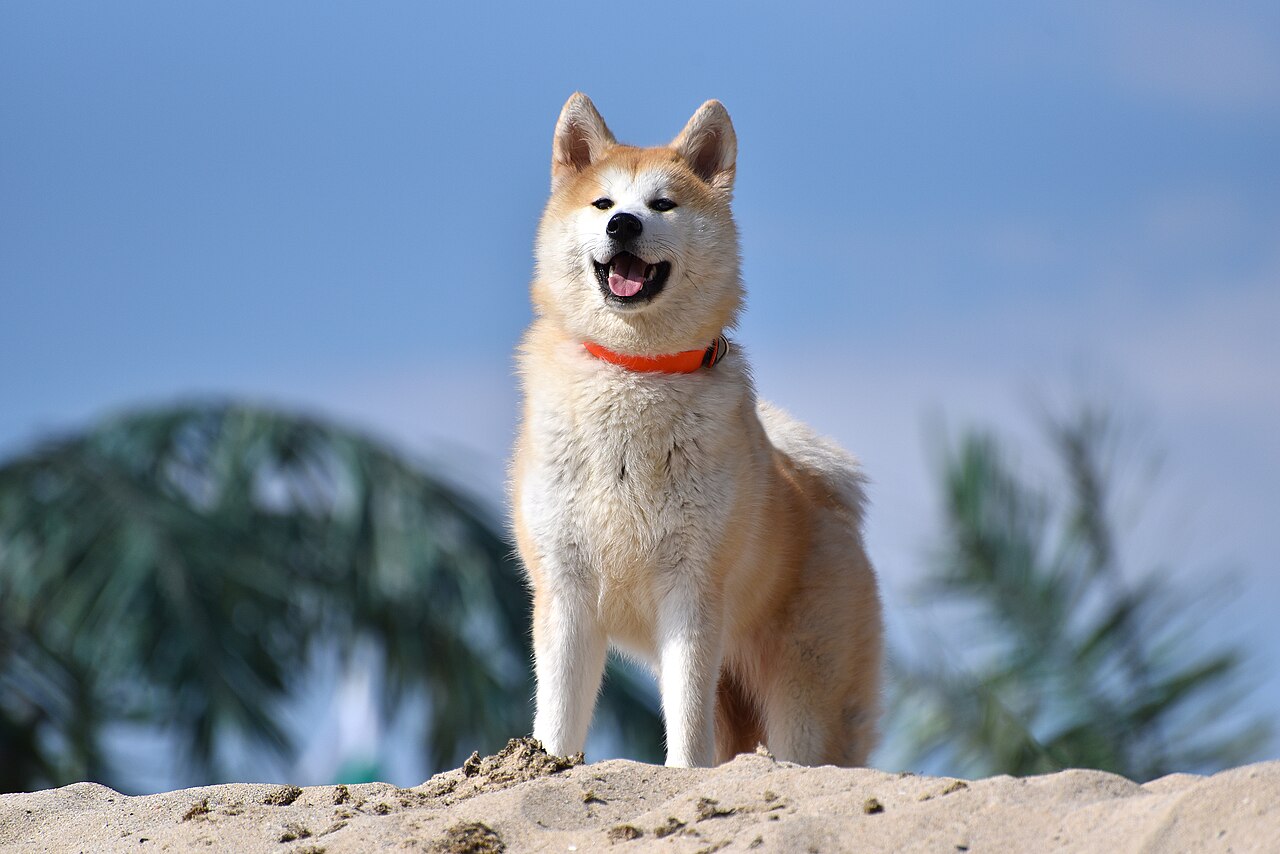

The Akita is Japan's dignified guardian breed — the loyalty of Hachikō is the real temperament, not marketing. This is a quiet, clean, deeply devoted dog with serious guarding instincts and famous same-sex dog aggression; experienced owners describe them as the best dog they've ever had and one they'd never recommend to a neighbor.
Height
24-28 in
Weight
70-130 lbs
Lifespan
10-14 years
Coat
Thick double coat, medium length
Exercise
60+ min/day
Puppy price
$1,500-$3,500
AKC popularity
#62
Best for
Experienced, confident owners who want a devoted one-family guardian, don't need a social butterfly, and can commit to lifelong management around other dogs.
Trait scores
Scored 1–5 from breed-club and kennel-club standards. Individual dogs vary; a lazy Malinois exists somewhere.
Living with a Akita
Summarized from public owner discussions — breed subreddits, owner forums, and long-term owner write-ups.
What owners like
- +Quiet and dignified in the house; they bark when it matters and otherwise carry themselves like furniture with opinions
- +Remarkably clean and cat-like — they self-groom, house-train easily, and have little dog odor
- +A natural deterrent: nobody approaches a house with an Akita in the yard uninvited
- +Moderate exercise needs for a big dog — daily walks and a yard beat marathon fetch sessions
Common complaints
- −Same-sex dog aggression is a well-documented breed trait, not a training failure — many Akitas must live as only dogs or with careful opposite-sex pairings
- −Strong prey drive rules out cats and small animals in most households
- −Reserved-to-suspicious with strangers means guests need managed introductions forever, not just in puppyhood
- −Twice-yearly coat blows on a 100-pound dog produce a truly staggering volume of fur
- −Willful and unimpressed by repetitive training; needs a consistent, experienced handler, and some homeowner-insurance carriers list the breed
- −Autoimmune diseases (sebaceous adenitis, VKH) and bloat are real risks that make breeder health-testing critical
Conditions the breed is prone to
Not a diagnosis list — these are the problems that show up often enough that responsible breeders screen for them. Ask to see the test results.
The Akita against its usual rivals
What people ask about the Akita
Are Akitas good family dogs?+
For their own family, deeply — Akitas are famously gentle and patient with the children in their household, and in Japan they're a symbol of protection for kids. The caution is about everyone else's kids and chaotic households: an Akita may not distinguish rough play between your child and a visiting friend, so supervision and management are permanent requirements.
Can an Akita live with another dog?+
Sometimes, with an opposite-sex partner and careful management, but same-sex aggression is one of the breed's defining traits and many experienced owners simply keep one Akita. Dog parks and daycare are widely considered off the table by the breed community. If a multi-dog household is your dream, this is the wrong breed.
Are Akitas dangerous or hard to handle?+
They're not attack dogs, but they're powerful, independent guardians who make their own decisions, and that combination punishes inexperienced handling. Well-bred, well-socialized Akitas with competent owners are steady, aloof-but-polite dogs. The failure mode — an unsocialized 110-pound guardian who's never been told no — is genuinely serious, which is why the breed isn't for beginners.
How much exercise does an Akita need?+
Less than you'd think — an hour of daily walking plus some play keeps most Akitas content, and they're often calm to the point of laziness indoors. What they need more than mileage is mental engagement and a job of being with you. Avoid heavy exercise in warm weather; that double coat is built for Japanese winters.