Working group · Large · from United States (Alaska)
Alaskan Malamute
Also called: Mal, Mally
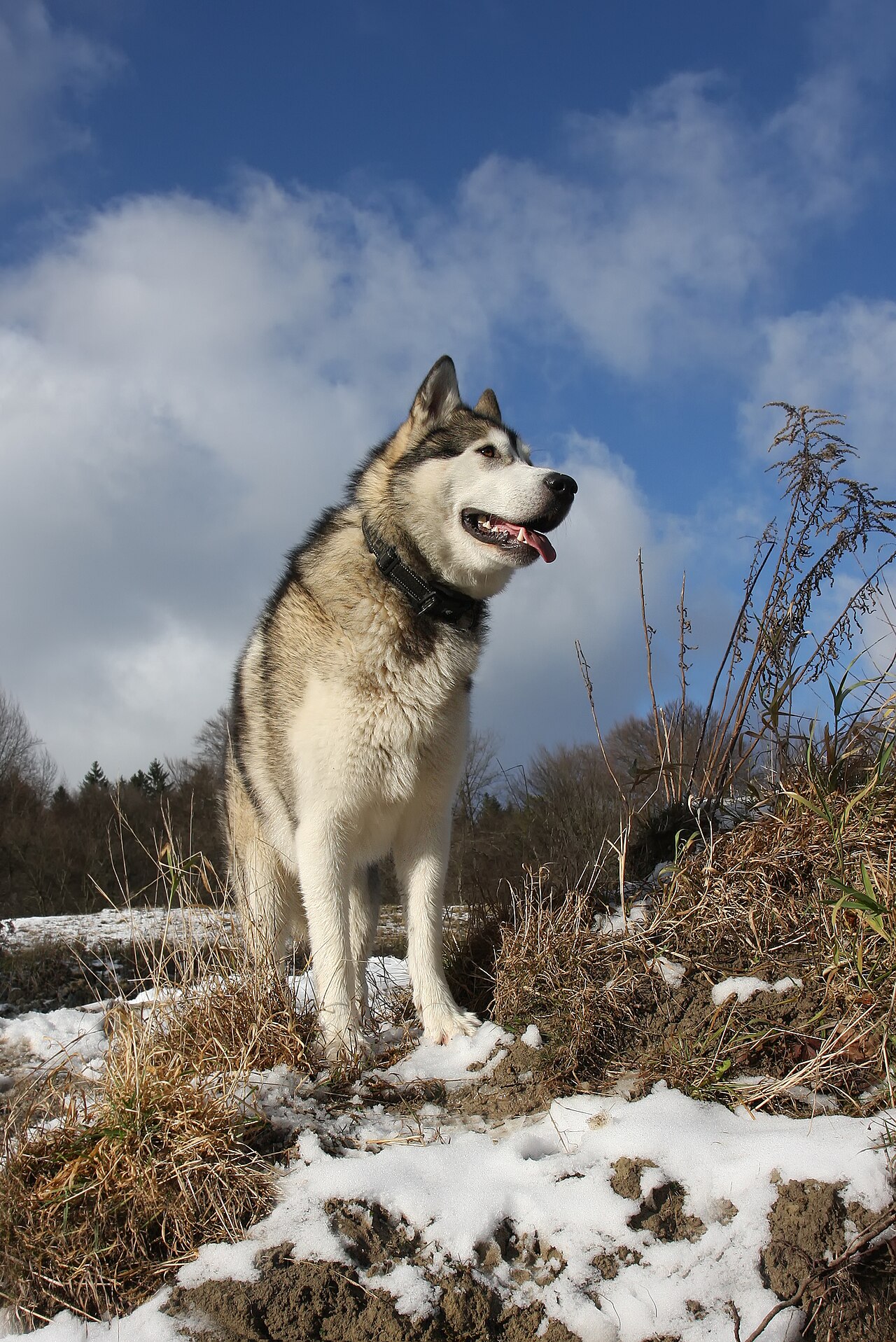

The Alaskan Malamute is the husky's bigger, stronger, more serious cousin — a freight-sledding powerhouse bred by the Mahlemut people to haul heavy loads, not to sprint. They're affectionate, dignified, and wolfishly beautiful, with an independent streak that turns every training session into a negotiation with a international union rep. Everything husky owners warn about applies here, with 30 extra pounds behind it.
Height
23-25 in
Weight
75-85 lbs
Lifespan
10-14 years
Coat
Dense, plush double coat
Exercise
120+ min/day
Puppy price
$1,500-$3,000
AKC popularity
#81
Best for
Strong, experienced owners in cool climates who want a powerful, affectionate freight-hauler and can provide leadership, exercise, and secure containment.
Trait scores
Scored 1–5 from breed-club and kennel-club standards. Individual dogs vary; a lazy Malinois exists somewhere.
Living with a Alaskan Malamute
Summarized from public owner discussions — breed subreddits, owner forums, and long-term owner write-ups.
What owners like
- +Immense strength with a work ethic to match — weight pulls, carting, and loaded hikes tap into exactly what they were bred for
- +Deeply affectionate with their family; Mals are leaners, sitters-on-feet, and dramatic groaners who want to be in the room with you
- +Quieter than huskies — they rarely bark, preferring a conversational 'woo woo' that owners find endlessly endearing
- +Hardy, robust constitution with a 10-14 year lifespan, solid for a big powerful breed
Common complaints
- −Same-sex dog aggression is a well-known breed issue — many adult Mals cannot share a home with another dog of the same sex, and dog parks are a gamble
- −Prey drive makes cats and small animals genuinely unsafe; this rarely trains out
- −Twice-yearly coat blows produce fur in quantities that have to be seen to be believed, on top of steady year-round shedding
- −Diggers and escape artists like their husky cousins, but strong enough to defeat fencing that would hold a husky
Conditions the breed is prone to
Not a diagnosis list — these are the problems that show up often enough that responsible breeders screen for them. Ask to see the test results.
The Alaskan Malamute against its usual rivals
What people ask about the Alaskan Malamute
What's the difference between an Alaskan Malamute and a Siberian Husky?+
Size and job: Malamutes are freight haulers — bigger (75-85+ lbs), stronger, with plush coats and brown eyes only; huskies are lighter, faster endurance racers, often with blue eyes. Temperament-wise, Mals are more serious, more dominant with other dogs, and even more independent. If a husky is hard mode, a Malamute is hard mode with a heavier weight class.
Are Alaskan Malamutes aggressive?+
Toward people, no — well-bred Mals are friendly and famously poor guard dogs. The issue is other dogs: same-sex aggression and dominance-testing are recognized breed traits, and food or toy resource-guarding between dogs needs active management. Careful socialization helps, but experienced Mal owners plan around it (opposite-sex pairings, no dog parks) rather than expecting to train it away.
Can I train a Malamute to be obedient?+
You can train a Malamute to understand everything and comply when it suits them. They're intelligent problem-solvers bred to make survival decisions in the Arctic, not to await instructions. Consistent leadership, high-value rewards, and realistic expectations get you a civilized companion; expecting Border Collie compliance gets you frustrated. Recall, as with all sled breeds, should never be trusted off-leash.
How much exercise does an Alaskan Malamute need?+
About two hours daily, ideally involving work — loaded hikes with a dog backpack, pulling sports, or long trail days beat repetitive fetch, which they often refuse anyway ('you threw it, you get it' is peak Malamute). In warm months, shift to early morning and watch for overheating; that freight coat means summer exercise needs real caution.