Non-Sporting group · Small · from Tibet
Lhasa Apso
Also called: Lhasa
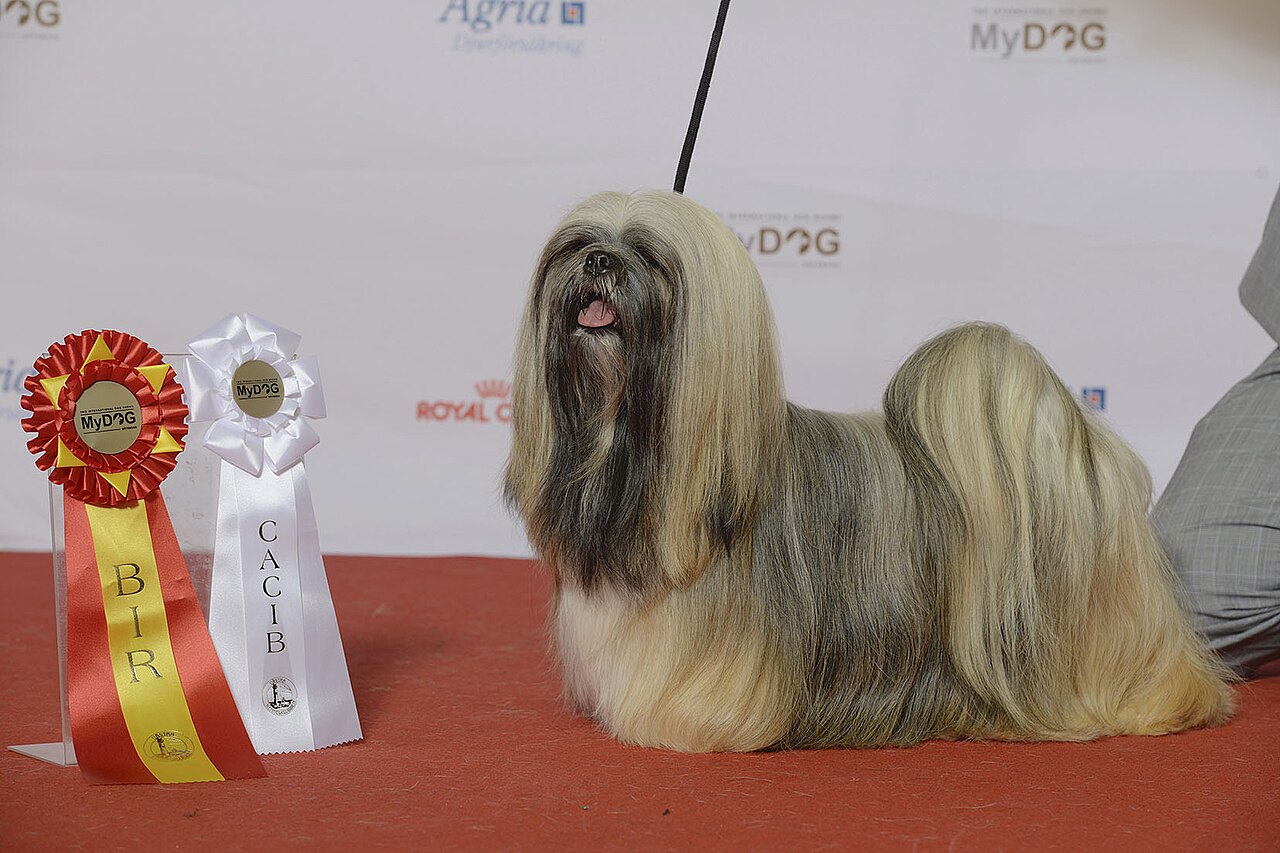

The Lhasa Apso spent a thousand years as the indoor sentinel of Tibetan monasteries, and it still takes that job seriously: watchful, suspicious of strangers, and utterly convinced of its own authority. The honest headline is that this is not a Shih Tzu with a different haircut — Lhasas are tougher, more independent, and more opinionated than their looks advertise.
Height
10-11 in
Weight
12-18 lbs
Lifespan
12-15 years
Coat
Long, heavy, straight double coat
Exercise
30+ min/day
Puppy price
$1,000-$2,500
AKC popularity
#83
Best for
Owners who want a small dog with a big-dog brain — an independent, long-lived indoor sentinel — and won't take the stubbornness or stranger-wariness personally.
Trait scores
Scored 1–5 from breed-club and kennel-club standards. Individual dogs vary; a lazy Malinois exists somewhere.
Living with a Lhasa Apso
Summarized from public owner discussions — breed subreddits, owner forums, and long-term owner write-ups.
What owners like
- +Exceptional watchdog for its size — centuries of sentinel breeding mean nothing crosses your threshold unannounced
- +One of the longest-lived breeds, regularly reaching mid-to-late teens
- +Genuinely independent: handles alone time far better than velcro companion breeds
- +Very low shedding coat, a plus for tidy homes and some allergy sufferers
- +Hardy and robust — this is a small dog without the fragility of toys
- +Fiercely loyal and often hilarious with their inner circle once you've earned membership
Common complaints
- −Aloof-to-suspicious with strangers by design; without early socialization that wariness can tip into snappishness
- −The sentinel heritage means real barking — your delivery drivers will be announced every single time
- −Full coat requires daily brushing or a standing groomer appointment every 4-6 weeks
- −Not the ideal pick for homes with young children — Lhasas have limited patience for grabby handling
Conditions the breed is prone to
Not a diagnosis list — these are the problems that show up often enough that responsible breeders screen for them. Ask to see the test results.
The Lhasa Apso against its usual rivals
What people ask about the Lhasa Apso
What's the difference between a Lhasa Apso and a Shih Tzu?+
Looks aside, temperament — the Shih Tzu was bred purely to charm laps, while the Lhasa was bred to guard monasteries, and it shows. Lhasas are more independent, more wary of strangers, more vocal, and less tolerant of manhandling. Physically, Lhasas have a longer muzzle (fewer breathing issues) and a harder, straighter coat.
Are Lhasa Apsos good with kids?+
With respectful older kids, usually fine; with toddlers, often not the best match. Lhasas have a strong sense of personal dignity and limited patience for ear-grabbing and chase games, and they'll communicate displeasure rather than endure it. Families with young children generally do better with a Shih Tzu, Bichon, or Cavalier.
Are Lhasa Apsos hard to train?+
Hard to command, capable of learning anything. They're intelligent but see obedience as optional, so drilling makes them shut down while short, rewarding, respect-based sessions work. House-training is on the slow side too. Experienced small-dog owners find them fun; people expecting Golden Retriever compliance find them maddening.
Do Lhasa Apsos bark a lot?+
They bark with purpose, and their purpose is announcing everything within earshot — it's a thousand years of watchdog instinct, not a training failure. You can teach a 'thank you, enough' cue and manage sightlines to the street, but you cannot train the sentinel out of a Lhasa. Thin-walled apartments should consider this seriously.