Herding group · Small · from Wales
Pembroke Welsh Corgi
Also called: Corgi, Pem
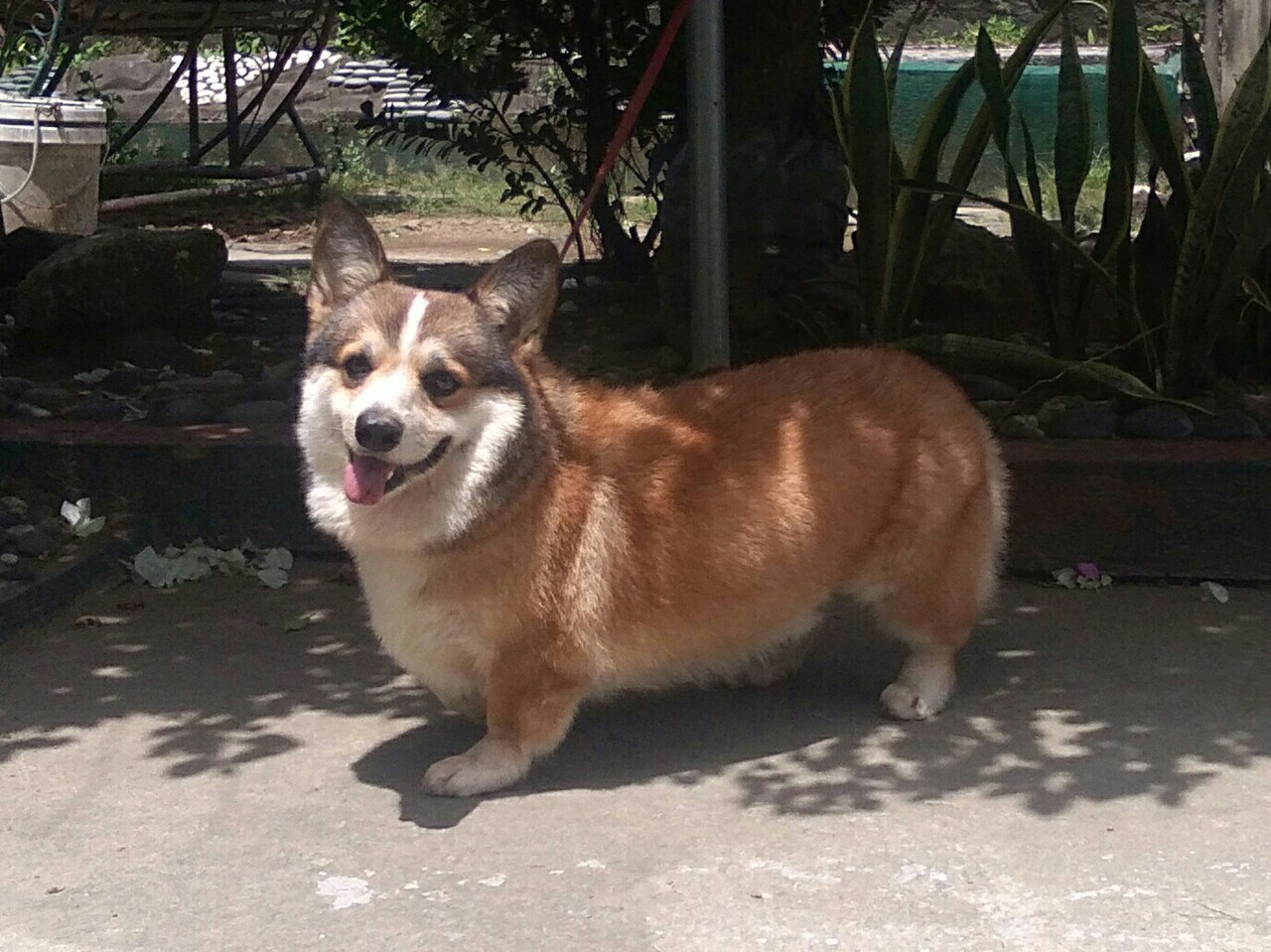

The Pembroke Welsh Corgi is a genuine cattle-herding breed compressed into a loaf-shaped internet celebrity, famously the late Queen Elizabeth II's dog of choice. The honest headline from owners: a hilarious, clever, big-dog-in-a-small-body companion whose two great taxes are fur — truly staggering amounts of it — and opinions, delivered at volume.
Height
10-12 in
Weight
24-30 lbs
Lifespan
12-13 years
Coat
Thick double coat, medium length
Exercise
60+ min/day
Puppy price
$1,200-$2,500
AKC popularity
#15
Best for
People who want a big herding-dog personality in an apartment-sized package and can live with heroic shedding, opinionated barking, and stairs-management for the long back.
Trait scores
Scored 1–5 from breed-club and kennel-club standards. Individual dogs vary; a lazy Malinois exists somewhere.
Living with a Pembroke Welsh Corgi
Summarized from public owner discussions — breed subreddits, owner forums, and long-term owner write-ups.
What owners like
- +Enormous personality-per-pound: bossy, funny, and charismatic in a way few breeds match
- +Real herding-dog brains — Corgis train well and excel at rally, agility, and trick work
- +Sturdy and confident with kids who respect them — this is not a fragile toy breed
- +Adapts well to apartments and cities given a daily walk and play — big dog experience, small dog logistics
Common complaints
- −The shedding is not a joke: a dense double coat drops fur every single day, with drifts during seasonal blows
- −Vocal about everything — doorbells, squirrels, dinner running late — and the bark is big for the body
- −The long, low back is a liability: jumping off furniture and doing stairs raises IVDD risk, so ramps and lifting become lifestyle
- −Weight piles on easily and every extra pound loads that spine — free-feeding a Corgi is asking for trouble
- −Herding heritage means heel-nipping at running kids and bossing bigger dogs around
- −Popularity means long breeder waitlists, high prices, and plenty of poorly bred puppies to avoid
Conditions the breed is prone to
Not a diagnosis list — these are the problems that show up often enough that responsible breeders screen for them. Ask to see the test results.
The Pembroke Welsh Corgi against its usual rivals
What people ask about the Pembroke Welsh Corgi
Do Corgis bark a lot?+
Yes — this consistently surprises new owners. Pembrokes were bred to move cattle and announce visitors, so they come with a loud, frequent, opinionated bark installed at the factory. Training a 'quiet' cue and meeting their exercise needs reduces it, but a fundamentally quiet Corgi is rare, which matters for thin-walled apartments.
Are Corgis good apartment dogs?+
Physically, they're a great fit — small footprint, moderate exercise needs, happy without a yard. The two apartment-specific issues are the barking (see above, and your neighbors) and stairs, which are bad for the long spine day after day. An elevator building plus a committed daily walk-and-training routine is genuinely a good Corgi life.
How much shedding are we talking about?+
More than breeds twice their size — Corgi owners joke about the second dog you sweep off the floor weekly. The dense double coat sheds year-round and blows out dramatically twice a year, and no, you can't shave it without wrecking the coat's insulation. Daily quick brushing, a de-shedding rake in season, and acceptance are the plan.
Pembroke vs Cardigan Welsh Corgi — what's the difference?+
The Pembroke (no tail, pointier ears, fox-red-and-white most often) is the famous one — a bit more outgoing, busier, and easier to find. The Cardigan (long tail, rounded ears, more colors including brindle and blue merle) is an older, slightly larger, more reserved and mellow breed. Same low-rider charm and back-care rules for both; pick based on temperament and breeder access.