Working group · Medium · from Siberia
Siberian Husky
Also called: Husky, Sibe
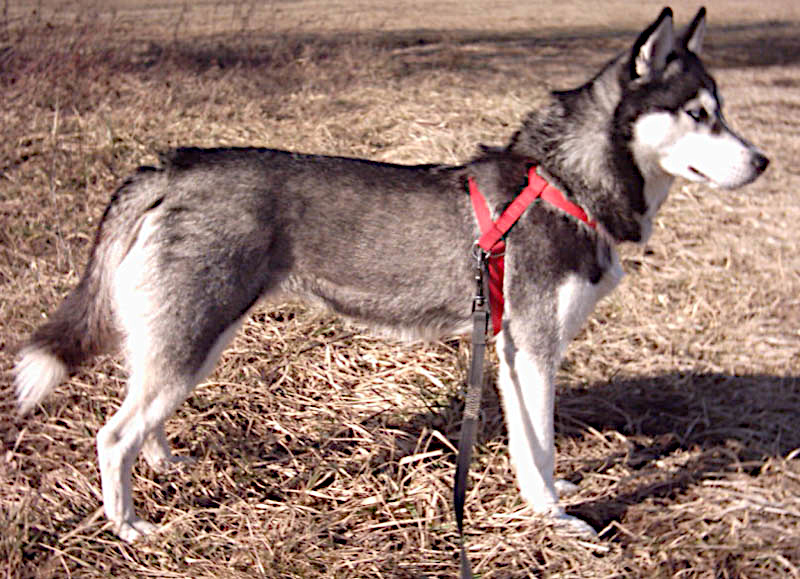

The Siberian Husky is a gorgeous, friendly chaos engine bred to run 100 miles a day and make its own decisions while doing it. They're famously terrible guard dogs (they'd help the burglar carry things out), famously dramatic (the screaming is real), and famously escape-prone. r/husky is 50% stunning photos and 50% 'how did he get out THIS time.'
Height
20-23.5 in
Weight
35-60 lbs
Lifespan
12-14 years
Coat
Thick double coat, medium length
Exercise
120+ min/day
Puppy price
$1,000-$2,500
AKC popularity
#30
Best for
High-energy owners with secure fencing and a sense of humor, who want a striking, social running partner and accept that obedience is a negotiation.
Trait scores
Scored 1–5 from breed-club and kennel-club standards. Individual dogs vary; a lazy Malinois exists somewhere.
Living with a Siberian Husky
Summarized from public owner discussions — breed subreddits, owner forums, and long-term owner write-ups.
What owners like
- +Endurance-athlete energy that makes them the ultimate running, skijoring, and bikejoring partner — they can genuinely go all day in cool weather
- +Friendly with everyone: kids, strangers, and especially other dogs — huskies are pack animals that thrive with a canine housemate
- +One of the most entertaining breeds alive — the vocal 'arguments,' side-eye, and tantrums are an endless content stream for a reason
- +Surprisingly clean and nearly odor-free; they groom themselves like cats and lack the classic doggy smell
- +Hardy and relatively healthy for a purebred, routinely reaching 12-14 years
- +Cold-weather joy machine — at 10°F they achieve a bliss most dogs never know
Common complaints
- −Escape artistry is legendary: they clear 6-foot fences, dig under barriers, slip harnesses, and open gates — and once loose, they run for miles without a backward glance
- −Prey drive makes them genuinely dangerous to cats, chickens, and small dogs — many can never be trusted, even after years
- −The shedding is volcanic during coat blows, and the screaming/howling repertoire carries through apartment walls
- −Under-exercised huskies are demolition experts — destroyed couches are practically a breed rite of passage
Conditions the breed is prone to
Not a diagnosis list — these are the problems that show up often enough that responsible breeders screen for them. Ask to see the test results.
The Siberian Husky against its usual rivals
What people ask about the Siberian Husky
Can a Siberian Husky live in a hot climate?+
They adapt better than people assume — the double coat insulates in both directions and huskies live everywhere from Phoenix to Singapore. The rules: never shave the coat, exercise at dawn and dusk in summer, and provide shade, water, and AC. That said, if you're choosing a breed specifically for a hot climate, there are kinder choices.
Why can't Huskies be trusted off-leash?+
Sled dogs were bred to run forward for hours and make independent decisions — not to check in with a handler. Combine that with a hair-trigger prey drive, and a squirrel becomes a five-mile detour. A few individuals achieve decent recall with years of work, but the breed community's standing advice holds: a husky off-leash outside a fence is a husky you might not get back.
Are Huskies good with kids and other dogs?+
Genuinely yes on both — the AKC rates them 5/5 with young children and other dogs, and their pack-oriented, playful nature backs it up. Many do best with a second dog for company. The asterisks: their exuberant play style can flatten toddlers, and 'good with dogs' does not extend to cats or pocket pets, which read as prey.
How much exercise does a Husky really need?+
Plan on two hours a day of real output — running, pulling sports, or vigorous play, not just a stroll around the block. A walked-but-bored husky is still a destructive husky; they need to move fast and work. Canicross, bikejoring, and sled training are the cheat codes. If your lifestyle is sedentary, this breed will make you pay for it in furniture.