Sporting group · Large · from Scotland
Golden Retriever
Also called: Golden
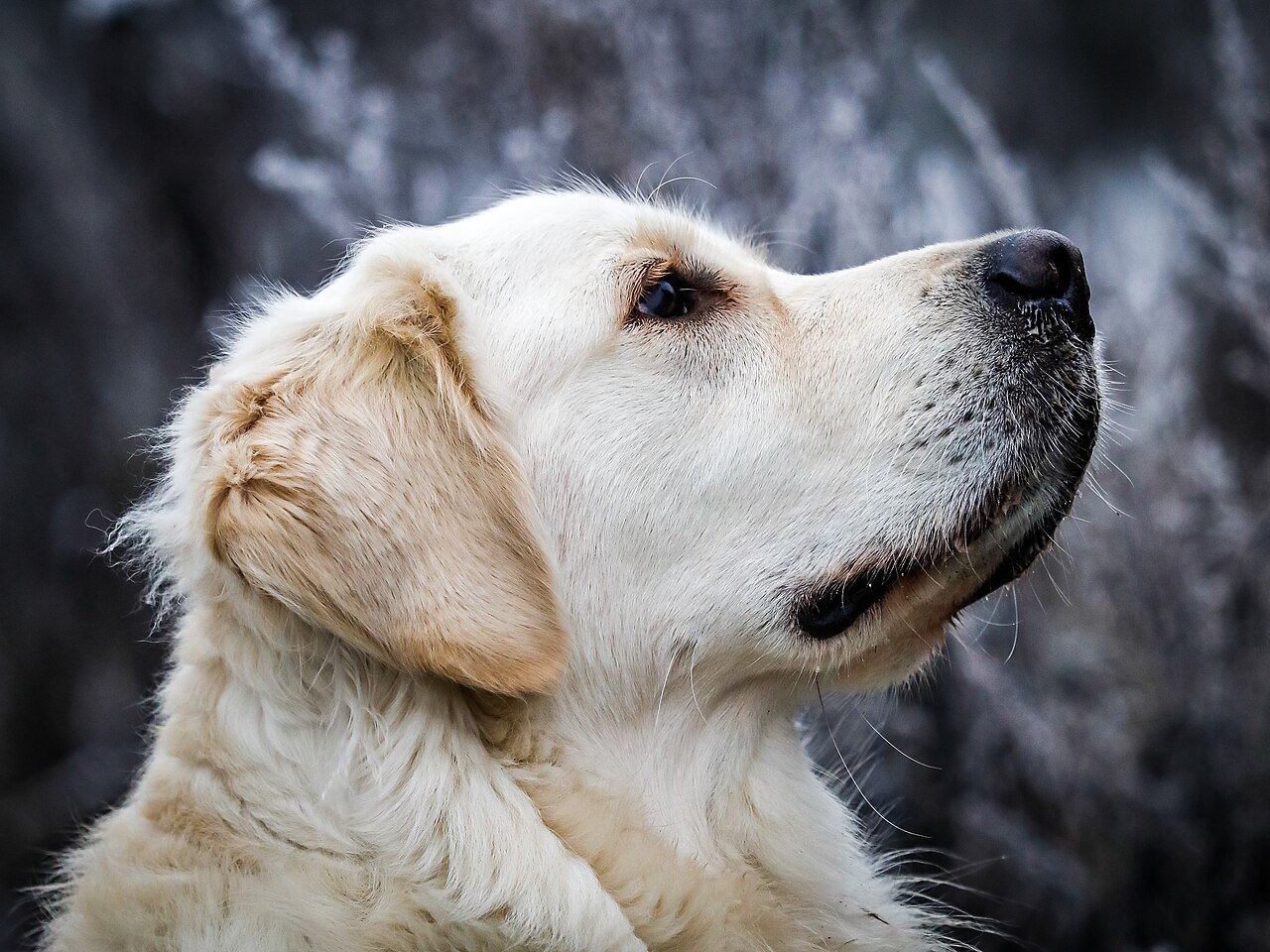

The Golden Retriever is the default answer to 'what dog should we get?' for a reason — a Scottish gundog turned family icon with one of the most reliable temperaments in dogdom. The honest headline from owners: the sweetest dog you'll ever love, the most fur you'll ever vacuum, and a breed whose biggest flaw is that you don't get them for long enough.
Height
21.5-24 in
Weight
55-75 lbs
Lifespan
10-12 years
Coat
Double coat, medium length, water-repellent
Exercise
60+ min/day
Puppy price
$1,500-$3,500
AKC popularity
#3
Best for
Families and first-time owners who want a famously gentle, trainable dog and can live with a house permanently coated in golden fur.
Trait scores
Scored 1–5 from breed-club and kennel-club standards. Individual dogs vary; a lazy Malinois exists somewhere.
Living with a Golden Retriever
Summarized from public owner discussions — breed subreddits, owner forums, and long-term owner write-ups.
What owners like
- +Gold-standard family temperament — patient with toddlers, gentle with grandparents, and greets the mail carrier like a long-lost friend
- +Absurdly easy to train — food- and praise-motivated, they're routinely the star pupil of every puppy class
- +Genuinely wants to do whatever you're doing: hiking, swimming, fetch for an hour, or lying on your feet while you work
- +Dog-park social butterfly — reliably good with other dogs and usually fine with cats they're raised with
- +Soft mouth and low aggression — bite incidents are rare, and they'd rather carry your sock around than guard anything
- +Huge population of health-testing breeders and breed-specific rescues, so finding a well-bred one is easier than for trendier breeds
Common complaints
- −Sheds constantly with two massive coat blows a year — golden fur in your coffee is a lifestyle, not an accident
- −Cancer is the breed's heartbreak — studies put it at roughly 60% of Golden deaths, so vet the pedigree for longevity
- −Adolescence lasts about three years: a 70-lb puppy brain that jumps on guests and mouths everything
- −Zero guarding instinct — a burglar would be greeted with a wagging tail and a tennis ball
- −Swimming and floppy ears mean recurring ear infections and hot spots if you're not on top of drying them
- −Food-obsessed counter-surfers who will eat socks, and that appetite makes obesity a real risk
Conditions the breed is prone to
Not a diagnosis list — these are the problems that show up often enough that responsible breeders screen for them. Ask to see the test results.
The Golden Retriever against its usual rivals
What people ask about the Golden Retriever
Are Golden Retrievers good first dogs?+
Yes — they're one of the most forgiving breeds for novice owners because they actively want to please and bounce back from training mistakes. The catch is the first three years: an adolescent Golden is a big, strong, mouthy goofball, so puppy class and daily exercise are non-negotiable. If you can survive the land-shark phase, you get a decade of the easiest dog you'll ever own.
How bad is Golden Retriever shedding really?+
Bad, and owners are not exaggerating. Expect daily fur everywhere year-round, plus two seasonal blowouts where you can brush out a grocery bag of undercoat. A weekly brush (daily during blows) and a good vacuum are mandatory; shaving them is not an option because the double coat regulates temperature.
Golden Retriever vs Labrador — what's the actual difference?+
Temperamentally they're cousins, but Goldens run a notch softer and calmer while Labs are bouncier and busier for longer. Goldens need more brushing; Labs shed just as much from a shorter coat. The gut-punch difference is health: Goldens carry a significantly higher cancer rate, which is worth weighing seriously.
How much exercise does a Golden Retriever need?+
Plan on about an hour a day — a solid walk plus fetch or a swim keeps most adults happy. They're not a working-line sports breed that needs a job, but a bored under-exercised Golden turns into a counter-surfing, sock-eating menace. Swimming is their favorite thing on earth if you have access to water.