Sporting group · Medium · from Hungary
Vizsla
Also called: Hungarian Vizsla, Hungarian Pointer
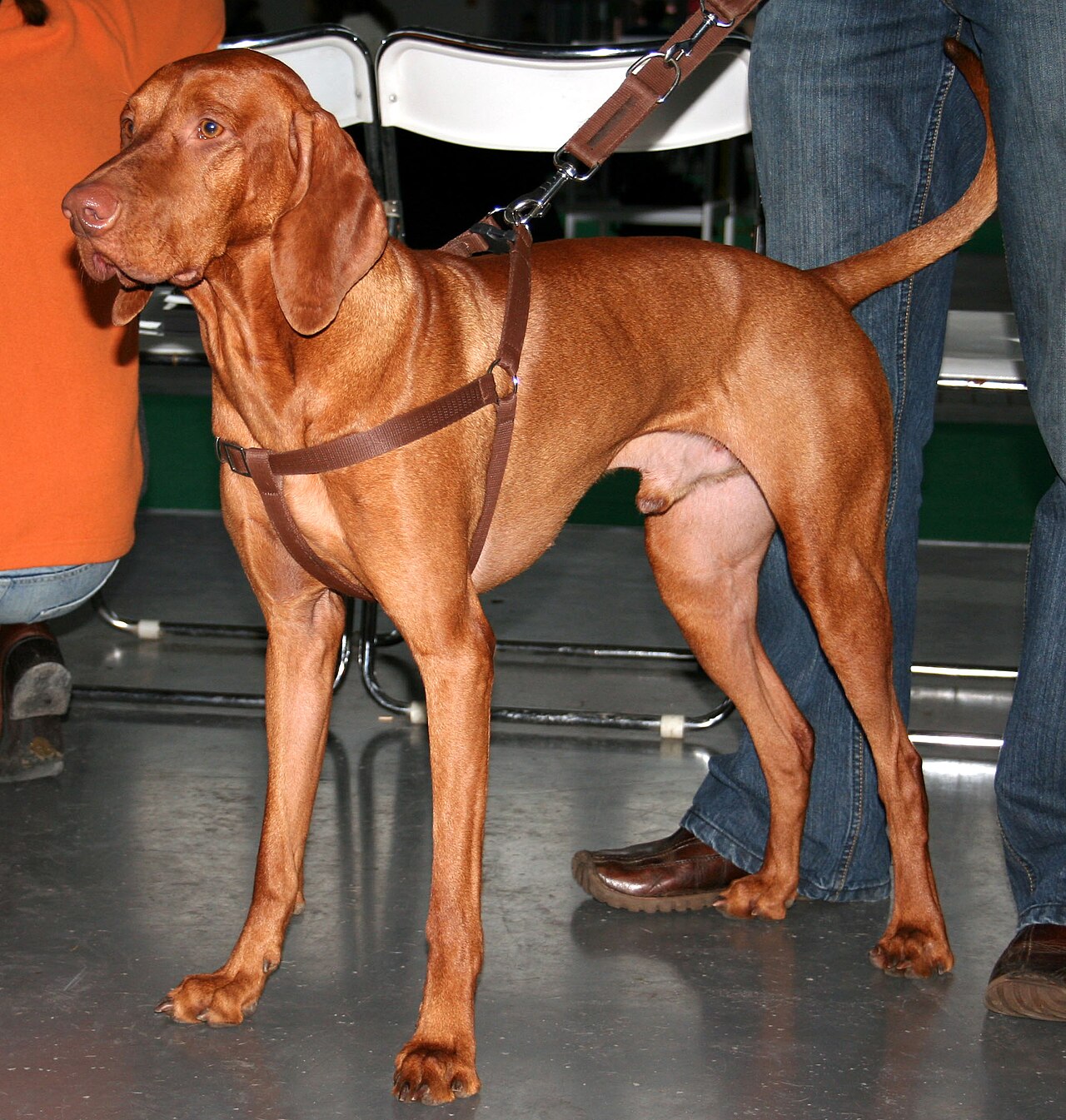

The Vizsla is Hungary's 'velcro dog' — a sleek rust-colored pointer that wants to run all morning and then burrow under your blanket all evening. The honest headline: the most affectionate dog in the Sporting Group, but the exercise and togetherness requirements are absolute, and an under-run, often-alone Vizsla falls apart loudly.
Height
21-24 in
Weight
44-60 lbs
Lifespan
12-14 years
Coat
Short, smooth golden-rust coat
Exercise
120+ min/day
Puppy price
$1,500-$2,500
AKC popularity
#35
Best for
Runners, hikers, and hunters who want a gentle, deeply bonded shadow and can deliver two hours of real exercise plus near-constant companionship.
Trait scores
Scored 1–5 from breed-club and kennel-club standards. Individual dogs vary; a lazy Malinois exists somewhere.
Living with a Vizsla
Summarized from public owner discussions — breed subreddits, owner forums, and long-term owner write-ups.
What owners like
- +Off-the-charts affection — they lean, cuddle, burrow under covers, and genuinely need skin contact with their people
- +Elite running and hiking partner that can go 10+ miles and still point birds on the way home
- +Wash-and-wear coat with minimal shedding and almost no doggy odor — grooming is a five-minute wipe-down
- +Long-lived and athletic into old age — 12-14 healthy years is typical
Common complaints
- −Two hours of real daily exercise is the entry fee — a leash walk does not count to a Vizsla
- −Separation anxiety is a defining breed trait: many simply cannot handle being left alone for a workday
- −Famously vocal — they whine, groan, and 'talk' about everything, which charms some owners and drives others up the wall
- −The thin, single coat means they genuinely get cold — expect to own dog jackets and share your blankets
- −So soft-tempered that harsh corrections can shut them down or create lasting anxiety
- −Adolescence runs to age 2-3 with world-class zoomies, counter-surfing, and bird-chasing off leash
Conditions the breed is prone to
Not a diagnosis list — these are the problems that show up often enough that responsible breeders screen for them. Ask to see the test results.
The Vizsla against its usual rivals
What people ask about the Vizsla
Can a Vizsla be left alone while I work?+
This is the make-or-break question, and the honest answer is: not for a full 8-hour day, at least not without serious conditioning and midday relief. Vizslas were bred for constant human partnership, and isolation is the #1 cause of the crying, destruction, and rehoming stories. Remote workers, active retirees, and households where someone is usually home are the right fit.
How much exercise does a Vizsla actually need?+
Think in hours, not minutes — most adults need 1.5-2 hours of genuine aerobic work daily, ideally with off-leash running or fetch, plus mental work like training or scent games. Vizsla owners are usually runners, hunters, or hikers because that's who the dog turns you into. Under-exercised Vizslas become anxious, whiny, and destructive with remarkable speed.
Are Vizslas good apartment dogs?+
Only for genuinely exceptional owners. The dog itself is clean, quiet-footed, and loves to nap on the couch — but only after its two hours of hard exercise, and its whining when needs aren't met will not endear you to neighbors. If you're a marathoner in a city apartment who works from home, it can work; for most apartment dwellers, it won't.
Vizsla vs Weimaraner vs GSP — how do I choose?+
All three are high-octane velcro pointers, but the Vizsla is the softest and most sensitive, the Weimaraner the biggest and most headstrong with real prey drive, and the GSP the most purely athletic. Vizslas suit gentle trainers who want maximum cuddle; Weims need firmer structure; GSPs need the most raw exercise. None of the three tolerates being an afterthought.