Working group · Giant · from France
Great Pyrenees
Also called: Pyr, Patou, Pyrenean Mountain Dog
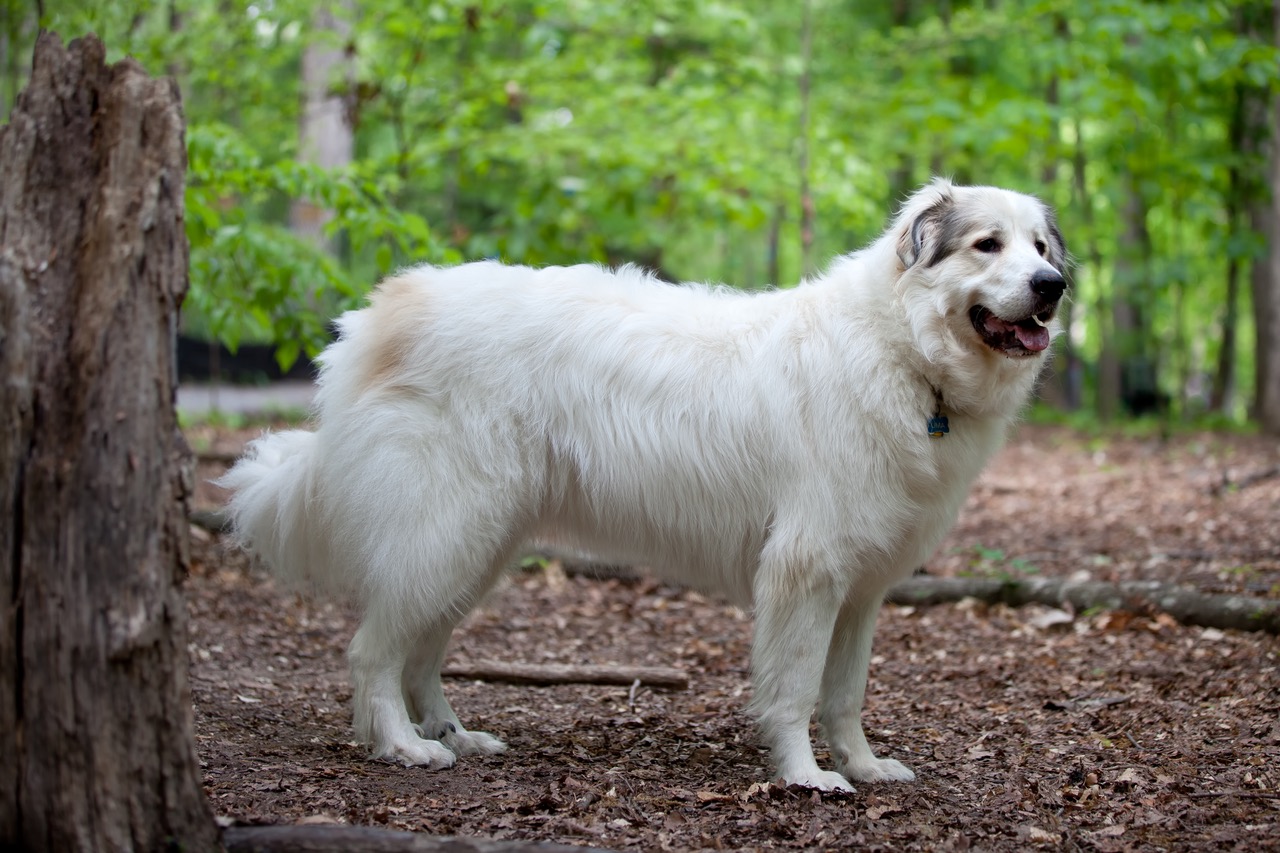

The Great Pyrenees is a livestock guardian that spent 3,000 years being bred to make its own decisions on a mountainside — and it has absolutely no plans to start taking orders now. Calm, majestic, and gentle with its flock (including your kids and cats), the Pyr guards by patrolling and barking at everything after dark. 'They were bred to disappoint you' is the r/greatpyrenees motto, said with total affection.
Height
25-32 in
Weight
85-115 lbs
Lifespan
10-12 years
Coat
Weatherproof white double coat, long
Exercise
60+ min/day
Puppy price
$1,000-$2,500
AKC popularity
#66
Best for
Rural or large-property owners who want a majestic, independent livestock guardian (or a very fluffy porch philosopher) and can live with nightly barking.
Trait scores
Scored 1–5 from breed-club and kennel-club standards. Individual dogs vary; a lazy Malinois exists somewhere.
Living with a Great Pyrenees
Summarized from public owner discussions — breed subreddits, owner forums, and long-term owner write-ups.
What owners like
- +Serene, patient temperament — a well-bred Pyr is calm to the point of zen and gentle with kids, cats, chickens, and anything it considers its flock
- +A genuinely functional livestock guardian: coyotes and stray dogs stop being a problem on properties with a working Pyr
- +Low exercise needs for their size — they patrol and nap on their own schedule rather than demanding fetch
- +That white coat is surprisingly self-maintaining; dirt sheds out of it, and they stay improbably clean
- +Independent and content alone outdoors for hours — the opposite of a velcro breed, which suits some households perfectly
- +Quiet dignity indoors; house Pyrs mostly choose a doorway with good sightlines and supervise
Common complaints
- −The barking is the breed: they bark at dusk, at night, at wind, at leaves, at threats only they can perceive — suburban neighbors will hate you
- −'Trained recall' and 'Great Pyrenees' don't belong in the same sentence — off-leash, a Pyr expands its territory over the horizon and comes back when it feels like it
- −Roaming instinct means 5-foot fences are a suggestion; they dig under, climb over, and stroll through gates
- −Seasonal shedding is spectacular — twice a year the undercoat comes out in sheets that look like a sheep was deflated
- −Double dewclaws need regular trimming, and hips, knees, and bloat round out the standard giant-breed health worries
Conditions the breed is prone to
Not a diagnosis list — these are the problems that show up often enough that responsible breeders screen for them. Ask to see the test results.
The Great Pyrenees against its usual rivals
What people ask about the Great Pyrenees
Can a Great Pyrenees be a house pet instead of a farm dog?+
Yes, and many are wonderful ones — calm, clean, and gentle indoors. The non-negotiables are a securely fenced yard (they roam), leashed walks forever (recall is a fantasy), and neighbors out of earshot or very forgiving, because the nighttime barking instinct doesn't care that your 'flock' is a couch. Apartment life is a bad fit.
Why do Great Pyrenees bark so much?+
It's the job. For millennia Pyrs deterred wolves by patrolling and announcing their presence, and nightfall flips them into work mode — they bark to tell predators (real or theoretical) that this territory is defended. Training can dampen daytime nuisance barking, but no amount of training removes it. Owners either make peace with it or shouldn't get the breed.
Are Great Pyrenees good with kids and other animals?+
With their own household, generally excellent — the guardian instinct extends to children, cats, and livestock, whom they treat as flock. AKC rates them moderate with young children mostly due to sheer size and their tendency to be aloof rather than playful. They're not a fetch-and-wrestle dog; they're a benevolent security detail.
Are Great Pyrenees hard to train?+
Hard is the wrong word — they're smart, they just don't see why your opinion should override theirs. Livestock guardians were bred for independent judgment, so expect commands to be evaluated, not obeyed. Consistent positive training gets you decent manners; it will never get you a Golden Retriever's compliance. Marker of an experienced Pyr owner: they laugh when you say 'off-leash reliable.'