Terrier group · Medium · from United States
American Pit Bull Terrier
Also called: Pit Bull, APBT
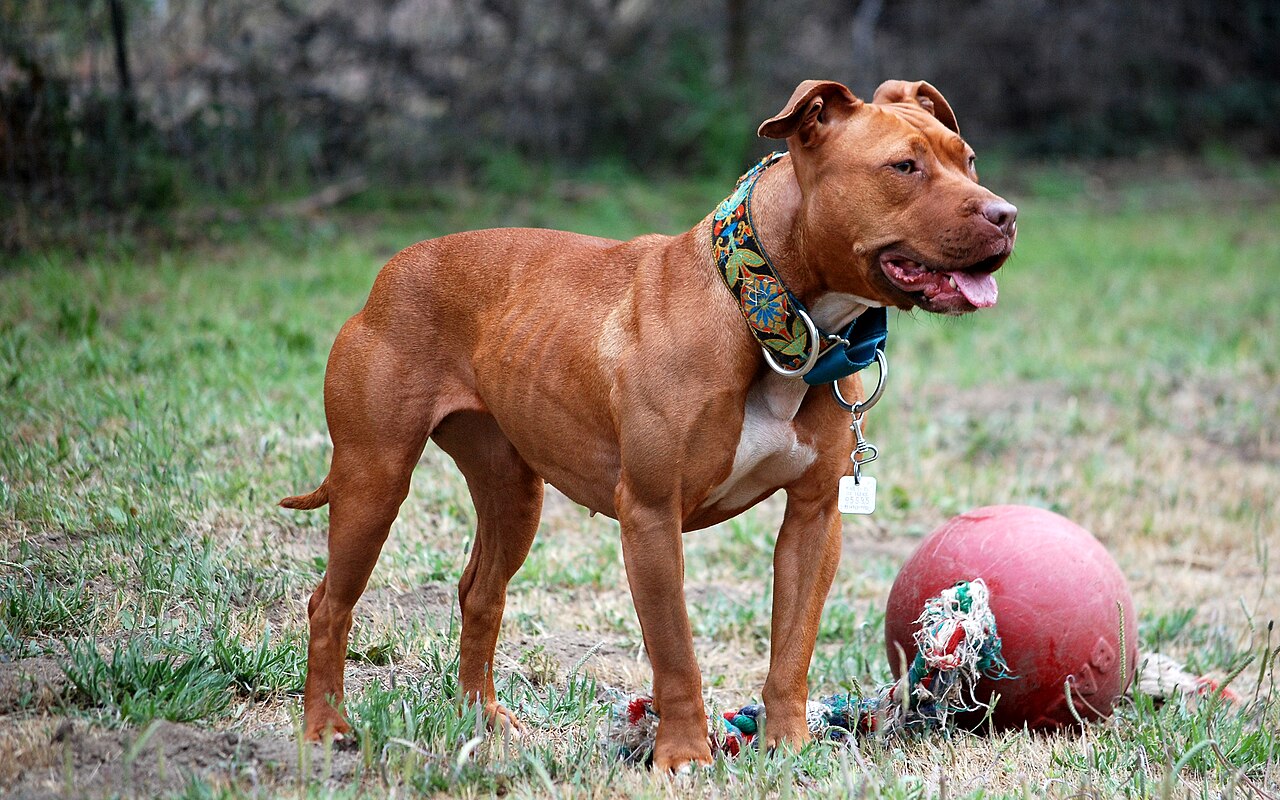

The American Pit Bull Terrier is a UKC-registered working terrier famous for two contradictory things: being one of the most people-affectionate breeds alive and being the most legislated-against dog in America. The honest headline is both are real — well-raised APBTs are goofy velcro athletes, and owning one still means navigating dog-selectivity, insurance exclusions, and public stigma.
Height
17-21 in
Weight
30-60 lbs
Lifespan
12-16 years
Coat
Short, stiff, glossy coat
Exercise
90+ min/day
Puppy price
$500-$2,000
AKC popularity
Not AKC ranked
Best for
Active, committed owners who want an affectionate, athletic best friend and can honestly handle the management responsibilities — dog-selectivity, housing restrictions, and public perception included.
Trait scores
Scored 1–5 from breed-club and kennel-club standards. Individual dogs vary; a lazy Malinois exists somewhere.
Living with a American Pit Bull Terrier
Summarized from public owner discussions — breed subreddits, owner forums, and long-term owner write-ups.
What owners like
- +Off-the-charts affection for people — APBTs are notorious velcro dogs and 60-pound lap warmers
- +A genuinely great athletic partner: running, hiking, weight pull, dock diving, agility — they show up for all of it
- +Eager to please and food-motivated, which makes training rewarding for owners who put in the time
- +Wash-and-wear short coat with minimal grooming needs
- +Famously tolerant, sturdy playmates for their family's kids when raised and supervised properly
- +Adoption is realistic and affordable — shelters are full of great ones, and rescues can help match temperaments
Common complaints
- −Dog-selectivity is a real breed trait: many APBTs are fine with dogs as puppies and become selective or intolerant at maturity, and responsible owners plan for that (no dog parks, careful introductions)
- −Breed-specific legislation still bans or restricts them in some US cities and entire countries (the UK among them) — check your local laws before you fall in love
- −Housing is the everyday tax: countless landlords and many homeowner-insurance policies exclude 'pit bull type' dogs, which narrows where you can live
- −High exercise and mental-stimulation needs; a bored, under-exercised APBT is a demolition crew
- −Powerful and tenacious, so leash manners and management aren't optional — an untrained 55-pound terrier is a genuine handful
Conditions the breed is prone to
Not a diagnosis list — these are the problems that show up often enough that responsible breeders screen for them. Ask to see the test results.
The American Pit Bull Terrier against its usual rivals
What people ask about the American Pit Bull Terrier
Are pit bulls dangerous?+
The honest answer: a well-bred, well-raised APBT is typically stable and extremely people-friendly — human-directed aggression was historically a culling offense and is not a breed norm. What is a breed norm is dog-directed intensity: many APBTs are selective or intolerant with other dogs, and their strength and tenacity raise the stakes of any failure of management. The responsible position is neither fearmongering nor denial — it's socialization, training, secure containment, and honest reading of your individual dog.
Can I have an American Pit Bull Terrier in an apartment or rental?+
Legally and practically, this is the breed's biggest ownership hurdle. Many landlords ban 'pit bull type' dogs regardless of your dog's behavior, some cities still have breed-specific legislation, and some insurers exclude the breed from liability coverage. Before committing, verify your lease, your city's ordinances, and your insurance in writing — rehoming because of a lease clause is a common, heartbreaking shelter story.
Can pit bulls go to dog parks?+
Most experienced APBT owners say no, and not because their dogs are monsters — because dog parks are uncontrolled environments and dog-selectivity often emerges at maturity (1-3 years) even in dogs that were social puppies. If anything happens, your dog gets the headline regardless of who started it. Better outlets: structured playdates with known dogs, sniff spots, sports, and long hikes.
Is the 'locking jaw' thing real?+
No — it's a myth with zero anatomical basis; APBT jaws are structurally the same as any dog's. What's real is terrier tenacity: they grip and hold with determination, which is why owners of dog-selective dogs learn to use break sticks and management rather than relying on a scuffle sorting itself out. Strong dog, normal jaw, serious commitment.