Hound group · Medium · from France
Basset Hound
Also called: Basset
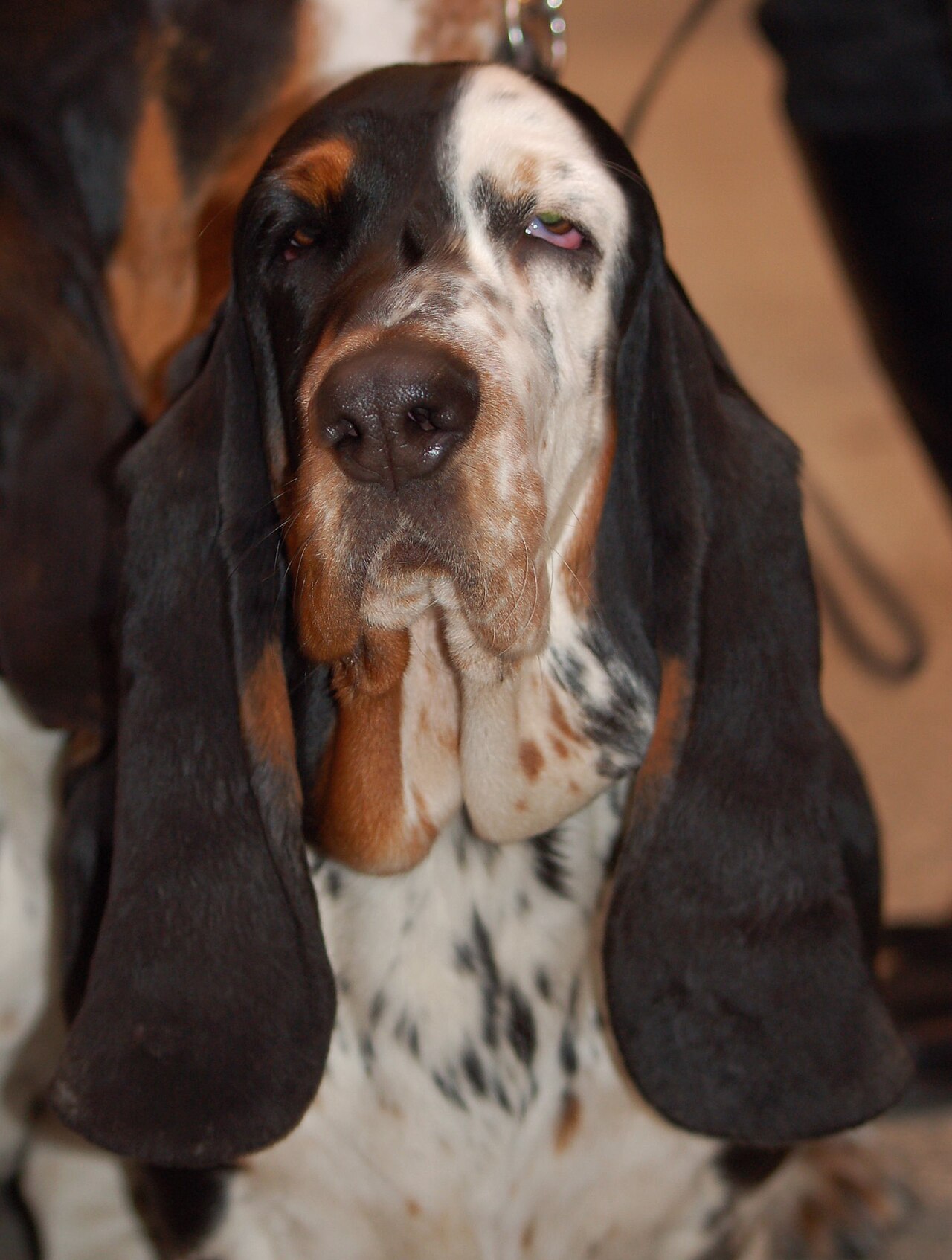

The Basset Hound is a French scent hound with the second-best nose in dogdom (after the Bloodhound), repackaged as a droopy, devoted couch philosopher. The honest headline from owners: the most easygoing, kid-and-cat-proof dog you'll meet, wrapped in drool, shed hair, and a stubborn streak that treats your commands as interesting suggestions.
Height
11-15 in
Weight
40-65 lbs
Lifespan
12-13 years
Coat
Short, smooth coat with loose skin
Exercise
45+ min/day
Puppy price
$800-$2,000
AKC popularity
#34
Best for
Laid-back households who want a comedic, low-energy, exceptionally tolerant companion and can commit to ear care, weight control, and a lifetime of amiable disobedience.
Trait scores
Scored 1–5 from breed-club and kennel-club standards. Individual dogs vary; a lazy Malinois exists somewhere.
Living with a Basset Hound
Summarized from public owner discussions — breed subreddits, owner forums, and long-term owner write-ups.
What owners like
- +Truly mellow energy — a couple of leisurely sniffy walks a day and a Basset is a contented houseguest
- +Pack-hound sociability with zero sharp edges — aggression is genuinely rare in the breed
- +A deep, booming bark that sounds like a much bigger dog at the door
- +Low-effort coat care — a weekly rubber-brush session handles the basics
Common complaints
- −Stubbornness is a lifestyle: a Basset that doesn't want to move simply becomes furniture, and recall is a polite fiction
- −Drool, houndy odor, and surprising amounts of shed hair from that 'low-maintenance' short coat
- −Those glorious ears trap moisture and require weekly cleaning, or chronic infections follow
- −The long spine and heavy front mean back problems — no jumping off couches, no stairs marathons, and careful weight control
- −Lonely Bassets howl, mournfully and at length, which neighbors describe less charitably
- −The nose rules here too: an open gate plus an interesting smell equals a Basset waddling determinedly toward the horizon
Conditions the breed is prone to
Not a diagnosis list — these are the problems that show up often enough that responsible breeders screen for them. Ask to see the test results.
The Basset Hound against its usual rivals
What people ask about the Basset Hound
Are Basset Hounds really that lazy?+
They're low-energy, but 'lazy' gets owners into trouble — Bassets were bred to trail rabbits all day and still need 30-45 minutes of daily walking to stay sound and lean. The trap is that a Basset will happily agree to skip exercise, gain weight, and wreck its back and joints. Think 'low-intensity but consistent,' with sniffy walks being their favorite activity on earth.
Do Basset Hounds smell bad?+
They have a genuine houndy musk, amplified by skin folds and those ears — it's oil the coat produces, not dirtiness. Regular fold-wiping, weekly ear cleaning, and the occasional bath keep it to a background note rather than a headline. If you're sensitive to dog smell, meet a few adult Bassets before committing, because the musk never fully goes away.
Are Bassets good apartment dogs?+
Surprisingly yes, with two caveats. Their exercise needs are modest and they're champion nappers, but stairs are genuinely bad for that long spine — an elevator building or ground floor matters — and a lonely Basset's howl penetrates walls impressively. With company most of the day and daily walks, they're one of the best big-dog-energy apartment picks.
Why is my Basset Hound so hard to train?+
Because for centuries the job was 'follow the scent and ignore everything else,' and your Basset is excellent at the job. They're not stupid — they learn quickly when food is involved — they just weigh every command against whether it's worth it. Short, treat-heavy sessions, endless patience with house-training, and a sense of humor are the toolkit; expecting Lab-style obedience is the mistake.